 Thaizo
🗓️ Monday, January 19, 2026
📍 Bangkok, Thailand
Thailand Reviews Invitation to Join U.S.-Led Gaza “Board of Peace”
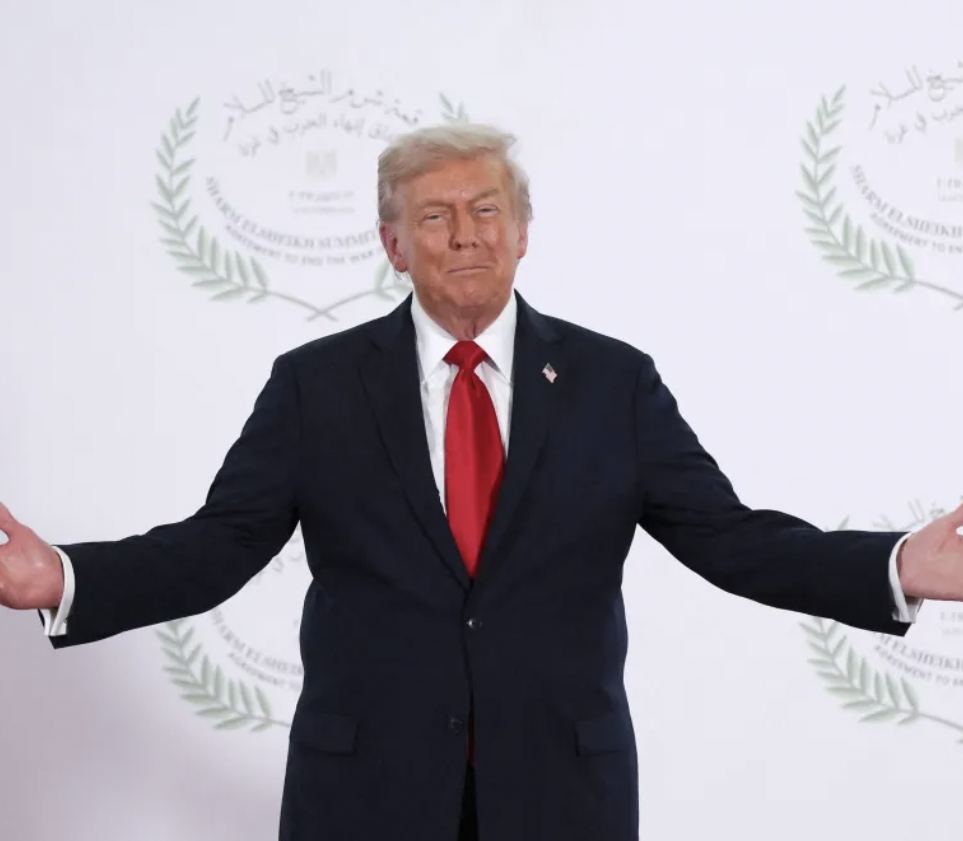
Thailand is considering an invitation from U.S. President Donald Trump to join a new international group called the “Board of Peace”, which is intended to help resolve the ongoing conflict in Gaza. The Thai Ministry of Foreign Affairs confirmed on January 19, 2026, that it has received the invitation and is carefully studying the proposal before making a decision.
What Is the “Board of Peace”?
The Board of Peace is part of Trump’s proposed “Comprehensive Plan to End the Gaza Conflict”. The board would initially focus on Gaza by helping oversee peace efforts, humanitarian aid, and post-war reconstruction. Over time, the plan suggests the board could expand its work to address other global conflicts as well.
According to draft documents, Trump would serve as the board’s chair for life. Countries would normally serve three-year terms, but those contributing US$1 billion would receive permanent membership. Invitations have reportedly been sent to around 60 countries.
Thailand’s Position
Thailand said it supports any initiative that promotes lasting peace in the Middle East and helps ease the humanitarian suffering of Palestinians. However, Thai officials stressed that any peace plan must respect the wishes of the Palestinian people and receive support from countries in the region.
Thailand also reaffirmed its long-standing support for a two-state solution, calling for Israel and Palestine to coexist peacefully based on international law and United Nations resolutions. At this stage, Thailand has not accepted the invitation.
International Reactions
Reactions from other countries have been mixed. Hungary has accepted the invitation outright, while many other governments are responding cautiously. Some countries are concerned that the new board could weaken or bypass the United Nations, which already has a Security Council mandate related to Gaza through 2027.
Russia and China previously abstained from the UN resolution on Gaza, citing concerns about the UN’s long-term role in the territory. Meanwhile, leaders such as Italy’s Prime Minister Giorgia Meloni and Canada’s Prime Minister Mark Carney have expressed conditional or in-principle support, pending further details.
Key Figures and the UN’s Response
Proposed members of the board include U.S. Secretary of State Marco Rubio, special envoy Steve Witkoff, former UK Prime Minister Tony Blair, and Trump’s son-in-law Jared Kushner.
UN Secretary-General António Guterres said countries are free to form their own peace initiatives but emphasized that the United Nations will continue its official mission in Gaza as mandated.
Why This Matters
The proposal highlights a potential shift in how international peace efforts in Gaza could be organized. While supporters see the board as a new path toward ending the conflict, critics worry about transparency, fairness, and whether it might undermine existing UN-led peace efforts.
Understanding Donald Trump’s Agenda Behind the Gaza “Board of Peace”
US President Donald Trump’s proposal to create an international “Board of Peace” for Gaza has sparked global debate, with some countries cautiously considering participation while others raise serious concerns. The initiative is presented as a bold effort to resolve the Gaza conflict and later expand to other global disputes. However, critics argue that the plan reflects a broader political and strategic agenda rather than a purely humanitarian one.
What the Board of Peace Is Meant to Do
According to the proposal, the Board of Peace would oversee post-conflict governance, security, and reconstruction in Gaza, working alongside existing international efforts. Member countries would normally serve three-year terms, but the plan allows for permanent membership for any nation willing to contribute a substantial fee of $1'000'000'000, granting them lasting influence within the board. Donald Trump, as permanent chair of the board, would have significant control over how all funds are allocated and spent.
Why the Plan Is Controversial
Despite its peace-focused language, the proposal has raised several red flags. Critics point to the concentration of power in a single individual, the financial requirements tied to influence, and concerns that the board could undermine the United Nations, which already has a Security Council-mandated role in Gaza.
Supporters argue that the board could cut through years of diplomatic deadlock and bring decisive leadership to a long-running crisis. Some governments have said they are open to the idea in principle, provided it supports humanitarian relief and long-term stability.
There are also questions about whether the plan genuinely reflects Palestinian aspirations or whether it prioritizes security and external control over political self-determination.
Why It Seems Contradictory
The peace initiative has drawn extra scrutiny because it comes at a time when Trump has pursued aggressive or confrontational policies elsewhere. His administration has taken a hard line toward countries such as Venezuela and has used strong rhetoric and pressure tactics in other regions.
To critics, this creates an apparent contradiction: promoting peace in Gaza while escalating tensions or applying coercive diplomacy in other parts of the world. Supporters counter that this reflects a strategic approach rather than inconsistency.
The Bigger Picture
Analysts often describe Trump’s foreign policy as transactional and personality-driven. Peace initiatives can enhance his image as a deal-maker and global leader, while hard-line actions elsewhere project strength.
Seen this way, the Board of Peace fits into a broader effort to increase US influence, shape global outcomes, and reinforce Trump’s personal role on the world stage. Whether the initiative becomes a genuine pathway to peace or another source of international tension will depend on regional support, alignment with existing institutions, and the rights and aspirations of the people most affected by the conflict.
Global Responses to the U.S.-Led Board of Peace
The U.S.-led Board of Peace initiative, proposed by President Donald Trump to help resolve the Gaza conflict, has been met with a mix of acceptance, caution, and outright opposition from countries around the world. While around 60 countries have been invited, only a few have publicly confirmed their participation so far, and several have voiced objections.
Confirmed Acceptances
As of 19th January 2026, a small number of countries have publicly accepted or indicated they will participate. Hungary, Argentina and Vietnam have confirmed acceptance, while Canada has said it will participate in principle. These countries are the first publicly acknowledged members of the board.
Countries Invited but Still Reviewing
As of 19th January 2026 many invited countries have yet to announce their decision publicly. These include India, Jordan, Greece, Cyprus, Pakistan, Canada, Turkey, Egypt, Paraguay, Albania, Thailand, Russia, Belarus, and the European Union’s executive arm. Most of these governments are reviewing the proposal, its financial requirements, and its interaction with existing United Nations roles before making a decision.
Public Rejections and Strong Opposition
As of 19th January 2026 several countries have either formally rejected the plan or voiced strong opposition to the board or the broader peace initiative. France has declined participation at this stage, while parts of the Israeli government, particularly far-right ministers, have opposed the plan. China and several European countries, including Spain, Ireland, and Slovenia, have criticized the initiative, citing concerns about Palestinian rights and the potential to undermine United Nations-led efforts. These statements strongly suggest these countries would not accept membership.
Important Context
It is important to note that the United States has not released an official, final list of Board members, and most governments are still studying the proposal. Key concerns include the board’s governance structure, the potential financial contribution required for permanent membership, and how the initiative aligns with existing UN mandates. Official announcements about membership are expected in the coming months, possibly during international meetings such as the World Economic Forum in Davos.
Summary
- Confirmed Acceptances: Hungary, Argentina, Vietnam and Canada
- Invited – Decision Pending: India, Jordan, Greece, Cyprus, Pakistan, Canada, Turkey, Egypt, Paraguay, Albania, Thailand, Russia, Belarus, EU, and others
- Publicly Opposed or Rejected: France, Israel (certain leaders), China, Spain, Ireland, Slovenia