 Thaizo
🗓️ May 18, 2026
📍 Khao Kheow Zoo, Thailand
🐣 Rare Giant “Dinosaur Bird” Hatches in Thailand for the First Time!
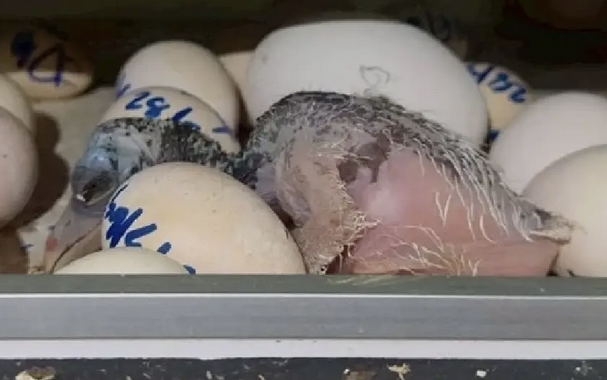
A tiny chick at Khao Kheow Open Zoo just made wildlife history! 🎉 For the very first time in Thailand, a critically endangered Greater Adjutant stork has successfully hatched in captivity. The species has been extinct in the wild in Thailand for more than 40 years, making this a massive conservation breakthrough.
🌍 Why This Is Such a Big Deal
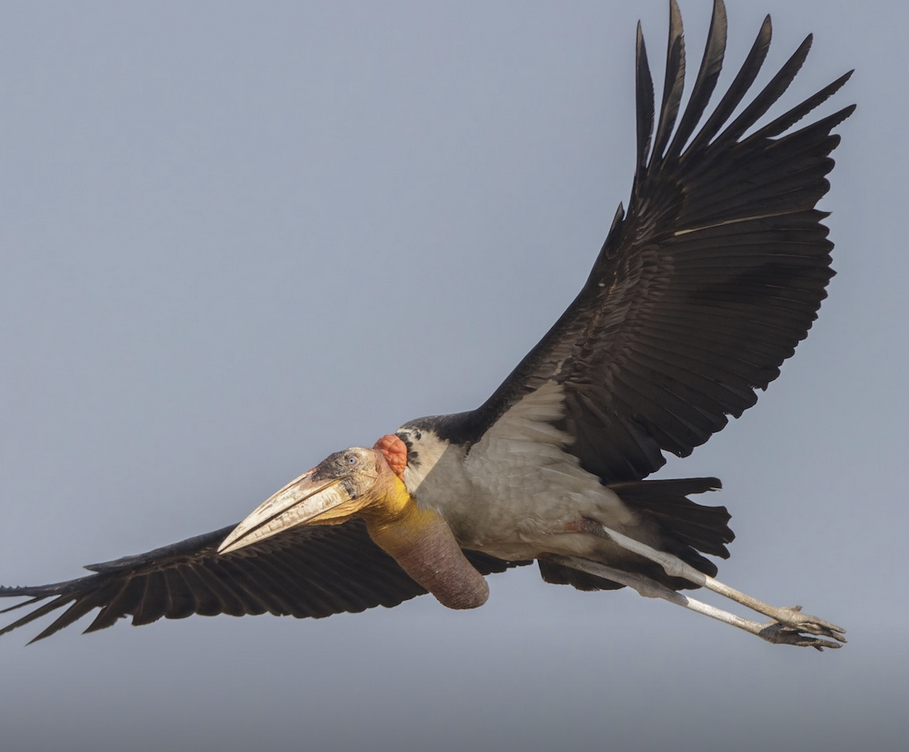
The Greater Adjutant is one of the rarest and strangest-looking birds on Earth. It’s famous for its huge size, bald head, giant beak, and inflatable neck pouch that gives it a prehistoric “dinosaur bird” appearance.
The species was once widespread across South and Southeast Asia, but habitat destruction and hunting caused dramatic population declines. Today, only around 1,500 mature birds are believed to remain worldwide.
🥚 One Egg, One Chance
The zoo’s success came from a single egg laid by its only breeding pair. Because Greater Adjutants naturally have very low hatching success rates, experts removed the egg for artificial incubation and monitored it around the clock.
After the chick hatched, zoo staff began carefully hand-raising the baby to make sure it survives and grows healthy. ❤️
🗑️ Nature’s Cleanup Crew
Even though the bird looks intimidating, the Greater Adjutant plays an important role in nature. It’s a scavenger that eats dead animals and waste, helping keep ecosystems clean and reducing the spread of disease. Because of this, some conservationists call it “nature’s sanitation worker.”
🏆 A World-Class Conservation Win
This hatchling didn’t just make Thai history — it also made global conservation history.
Thailand’s Environment Minister, Suchart Chomklin, praised the zoo team for carrying out what he described as a precision “life-saving operation.”
🤯 Weird & Wonderful Bird Facts
🐥 Why This Tiny Chick Matters
This little bird represents hope for an endangered species fighting for survival. The successful hatch proves that conservation, science, and teamwork can help bring even the rarest animals back from the edge of extinction.
Not bad for one tiny egg. 🥚✨