 Thaizo
🗓️ Monday, February 2, 2026
📍 Thailand
🚗⚡ Thailand Explores Updated EV Charging Rates as Demand Increases
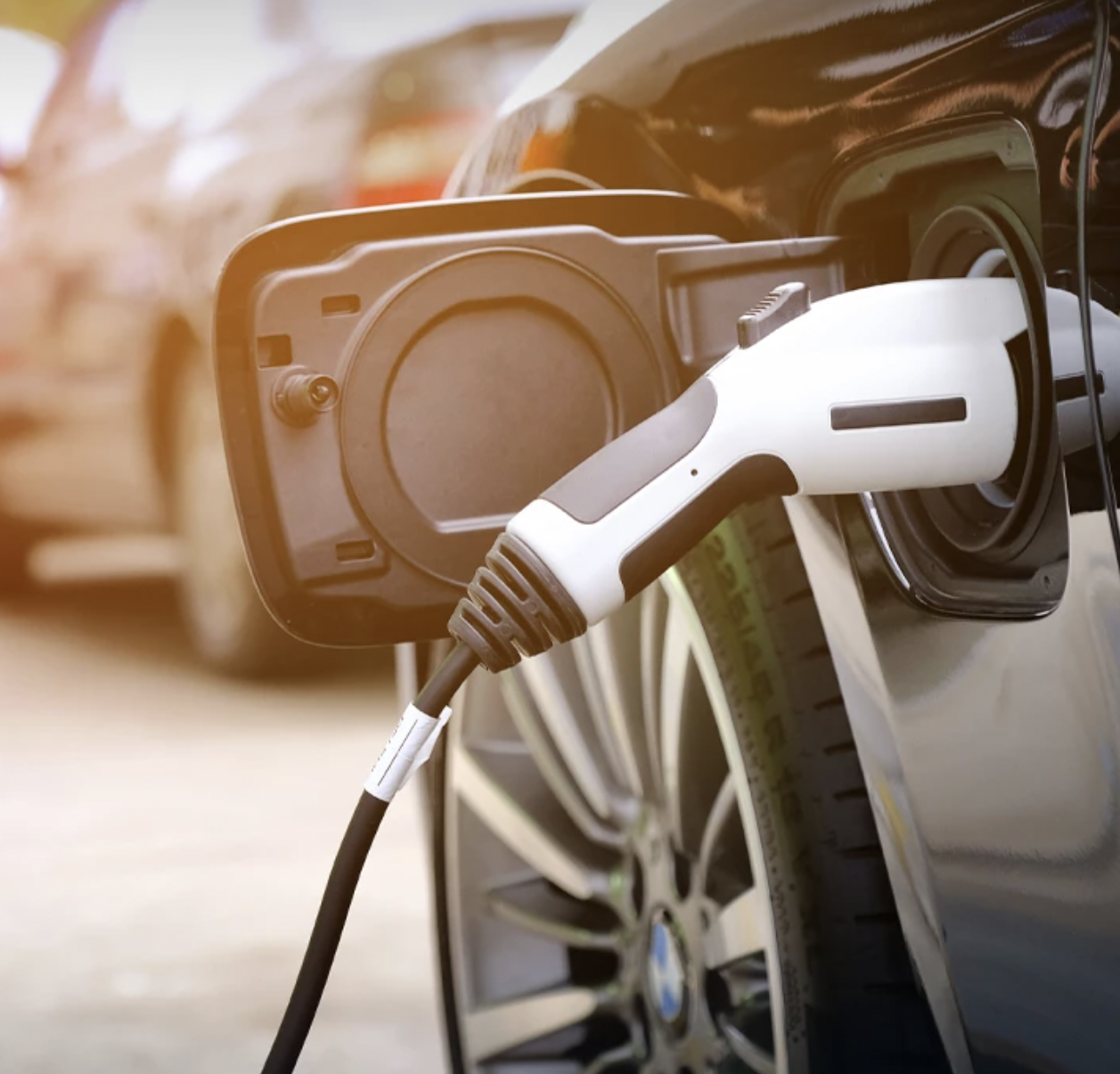
Thailand’s electric vehicle (EV) boom — once powered by super-cheap charging — might be hitting a speed bump. The government is considering raising public EV charging prices from the current low rate to as high as 11 baht per unit, which could make driving an EV cost almost the same as a petrol car. That risks slowing down EV adoption and weakening Thailand’s green goals 🌱.
🚘💸 What’s Happening with Charging Costs
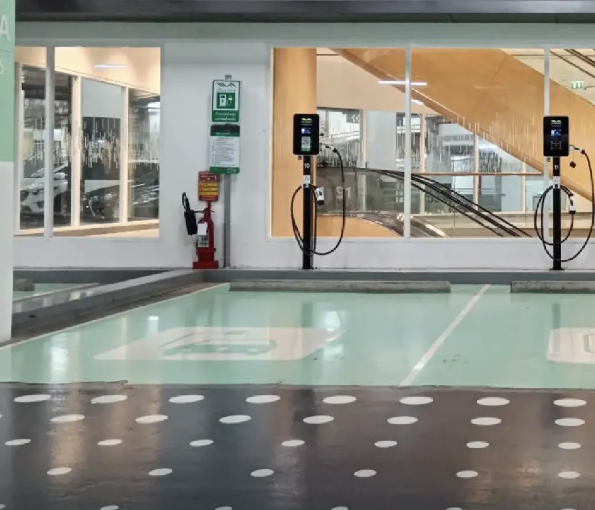
Right now, EV owners in Thailand enjoy relatively affordable charging — often around 7.5–8.5 baht per unit at public stations, and even lower at home 🏠. But new proposals from the Energy Regulatory Commission (ERC) could push rates up to 9.5–11 baht per unit to reflect real costs like building and running charging stations, equipment depreciation, and grid maintenance ⚡.
If that happens:
- 🚘 EV running costs could match petrol cars
- ⚠️ The economic reason people switch to EVs — cheaper driving — could disappear
- 📉 EV adoption might slow down, undoing years of progress
🌍⚡ Why This Matters — Beyond Today’s Charging Rates
🎯 Environmental Goals at Risk
Thailand has big climate ambitions like reaching “Net Zero” emissions 🌱, and EVs are a key part of that. If charging gets too expensive and people stop adopting EVs, it could slow Thailand’s progress toward these targets.
🚗 EV Industry Growth Could Slow
Thailand has been attracting billions in EV manufacturing investment 💰. If charging costs rise and demand softens, foreign investors could rethink future plans.
🔋 Bigger Electricity Demand is Coming — EVs and Data Centres
It’s not just cars that will need lots of power — data centres are booming too 🖥️. Thailand has been attracting tech giants like Amazon, Google, TikTok, and Alibaba to build large data centres. These facilities use massive electricity 24/7, pushing up demand for the national grid.
Here’s why that matters:
- In the U.S., rapid data centre growth has contributed to higher electricity prices in regions with dense clusters ⚡.
- Wholesale electricity costs in some areas have jumped by up to 267% over five years 📈.
- Utilities have had to spend billions on grid upgrades, and those costs are passed to consumers 💸.
- Residents often see higher bills even if they don’t use more electricity themselves 🏠.
If Thailand follows a similar path — with EV charging + data centre expansion — electricity demand could grow faster than supply, risking higher prices for everyone unless the country invests in more renewable energy 🌞 and grid upgrades.
🧠 Bottom Line — What This Could Mean for You
📉 EV Savings Might Shrink: If charging costs rise too much, the money you save by driving an EV (instead of a petrol car) could shrink or disappear.
⚡ Electricity Prices Could Rise Over Time: With big power users like EVs and data centres, demand for electricity will grow. If supply doesn’t keep up, prices could go up for households and businesses.
🌱 Policy Choices Will Matter: Thailand’s energy future depends on smart planning — building renewables, balancing grid costs, and keeping EVs affordable while supporting both EV growth and new tech investments.
📌 Quick Takeaways
- EV charging prices might jump up to 11 baht per unit ⚡.
- That could make EV driving cost almost the same as petrol cars — hurting EV growth 🚗.
- Thailand’s EV market is still expanding fast 📈.
- Data centres add huge electricity demand, as seen in the U.S., potentially driving prices higher 🖥️.
- Smart energy policy is key to keeping EVs affordable and power costs under control 🛠️.