 Thaizo
🗓️ Thursday, May 28, 2026
📍 Bangkok, Thailand
🇻🇳🤝🇹🇭 Vietnam Sees Thailand as a Partner, Not a Rival
Vietnam is making a clear message: Thailand is not a competitor, but a strategic partner. This reflects a wider shift in Southeast Asia where countries are moving away from rivalry and toward cooperation, economic integration, and regional stability amid global uncertainty.
🌏 Why This Matters Now (Big Global Shift)
This statement comes at a time when the global system is changing fast. Southeast Asia is being reshaped by supply chain shifts, geopolitical tension, and economic restructuring.
In this environment, Thailand and Vietnam are seen less as competitors and more as complementary economies inside the same regional system.
🎋 Vietnam’s Bamboo Diplomacy Explained
Vietnam’s foreign policy is often described as “bamboo diplomacy,” meaning it bends but does not break. It reflects a strategy of balance, independence, and flexibility in global relations.
In recent years, Vietnam has become more proactive and confident in international diplomacy, while maintaining neutrality between global powers.
🤝 Why Thailand and Vietnam Fit Together
Thailand and Vietnam are not competing directly because their economies complement each other.
Bilateral trade already exceeds US$22 billion and continues to grow as both countries deepen economic ties.
🏛️ Recent High-Level Meeting (May 28, 2026 – Bangkok)
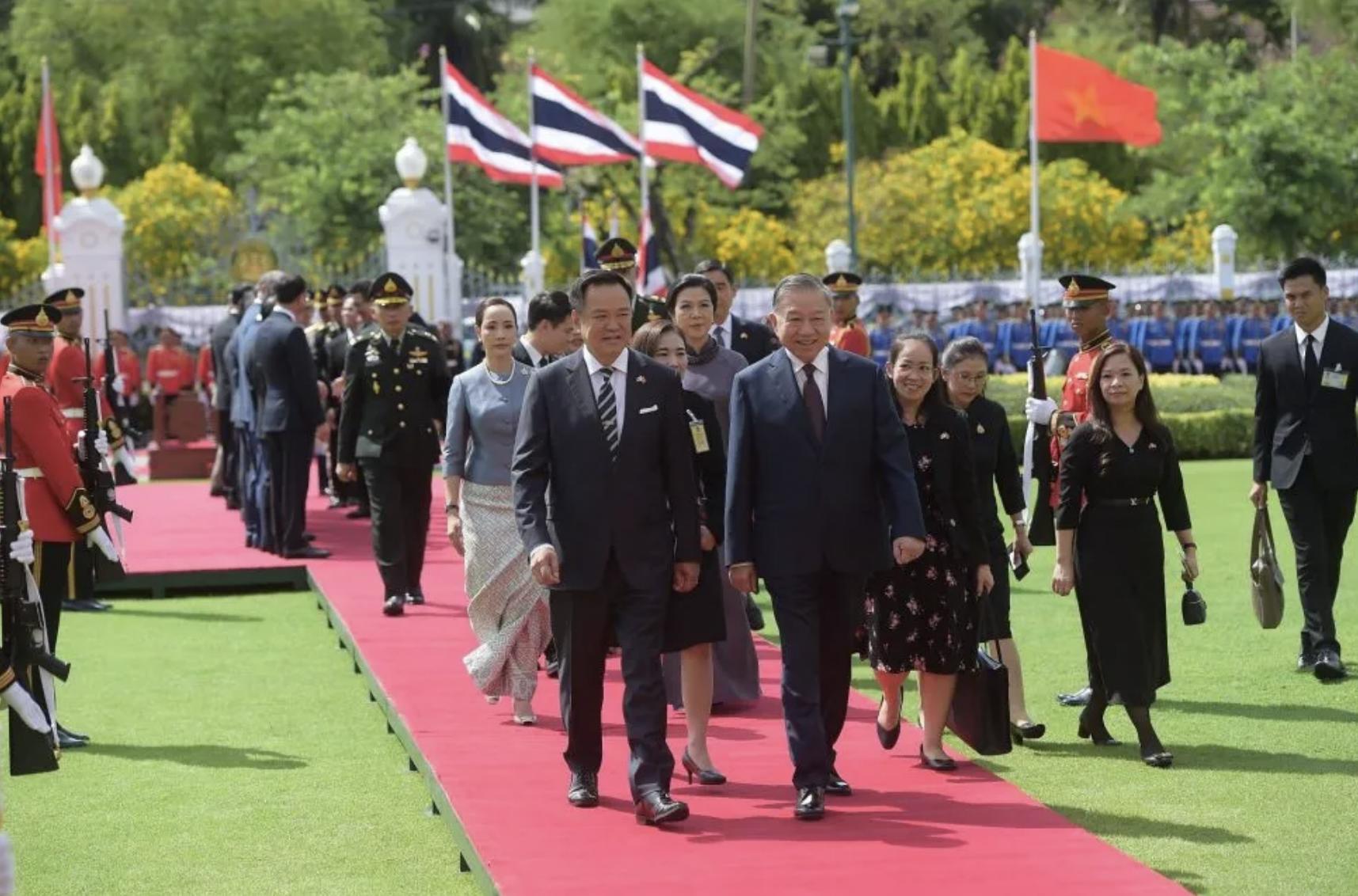
The shift toward partnership was reinforced during Vietnamese leader To Lam’s official visit to Thailand, where both sides agreed to deepen cooperation across multiple sectors.
They also emphasized that no country can grow in isolation, highlighting the importance of long-term regional cooperation.
⚙️ How They Are Already Working Together
This partnership is not just political—it is already taking shape in real-world projects.
These efforts are helping both countries integrate more deeply into ASEAN supply chains and global trade networks.
⚖️ From Historical Rivalry to Modern Partnership
Historically, Thailand (Siam) and Vietnam (Đại Việt → Vietnam) interacted through shifting regional power dynamics. Most of this was indirect competition rather than direct war.
Today, that historical rivalry structure has been replaced by ASEAN-based cooperation and economic integration.
🌐 Why ASEAN Is Driving This Change
ASEAN is now the main platform shaping Thailand–Vietnam relations. Both countries depend on regional stability for growth and resilience.
This makes cooperation more valuable than competition in today’s global economy.
🧠 The Real Reason Behind the Trend
The shift from rivalry to partnership is driven by a deeper structural change in the world economy.
In simple terms, the world has moved from competition between countries to cooperation inside systems.
🧭 Final Insight
Vietnam’s statement about Thailand is not just diplomatic messaging. It reflects a broader transformation in Southeast Asia, where countries are shifting from rivalry to resilience.
Thailand and Vietnam are no longer trying to outcompete each other. Instead, they are positioning themselves to thrive together inside a shared global economic system.