 Thaizo
🗓️ Saturday, January 3, 2026
📍 Caracas, Venezuela
Malaysia’s Anwar Urges Release of Maduro After US Raid in Venezuela
What Happened
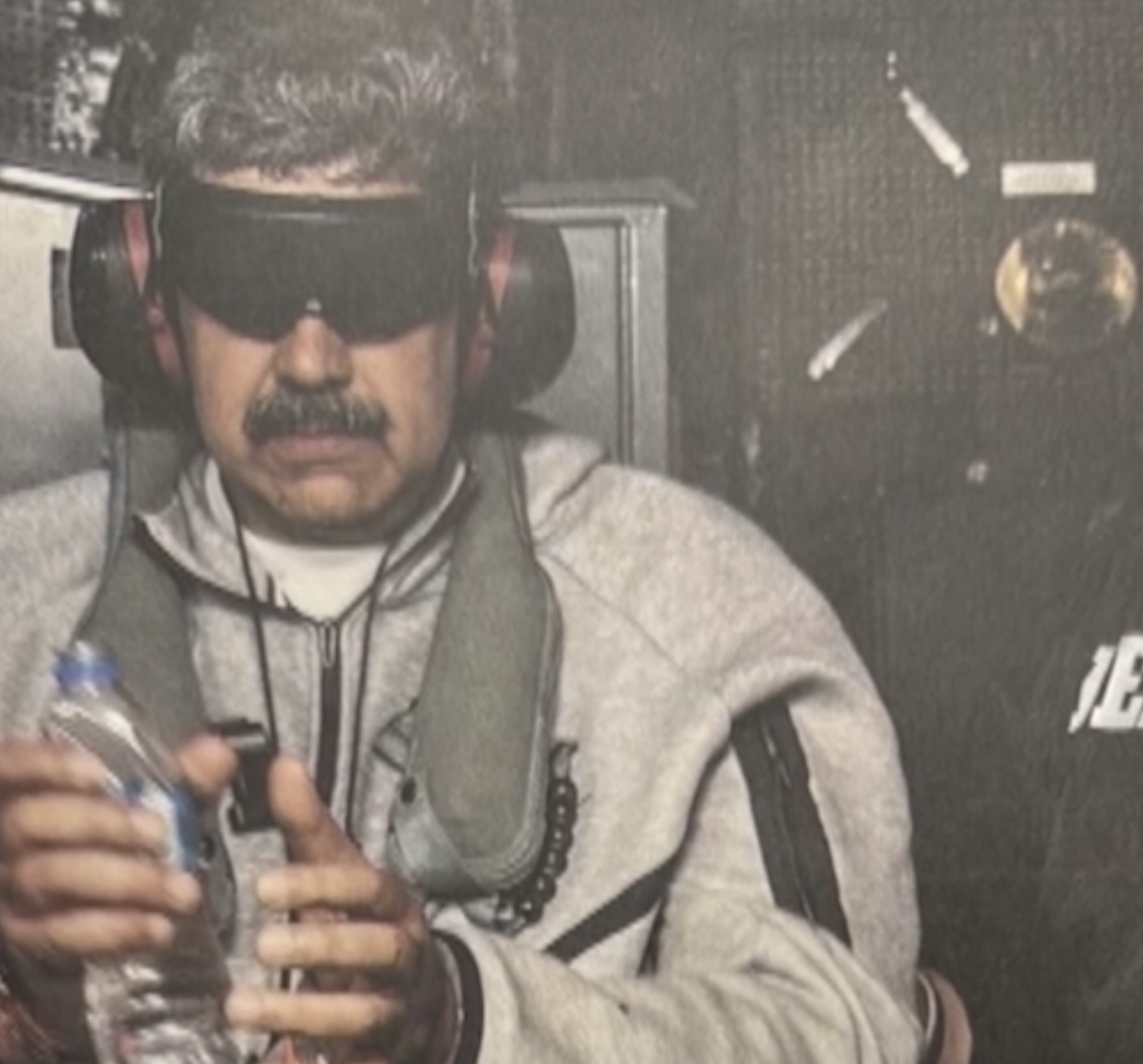
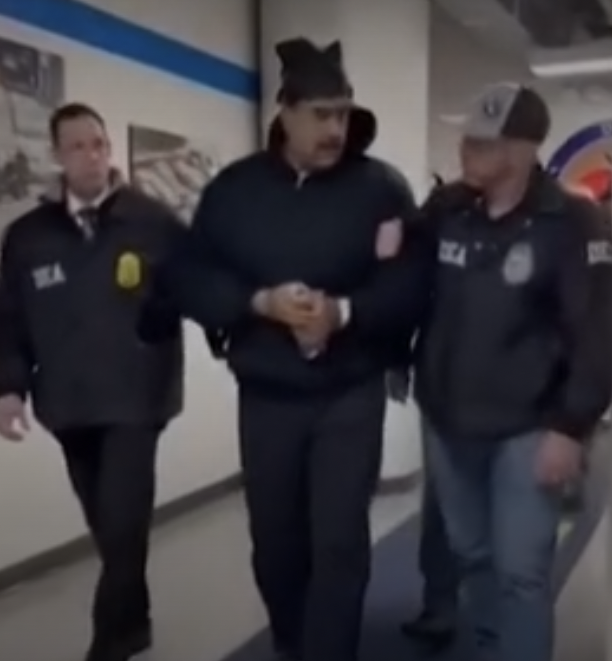
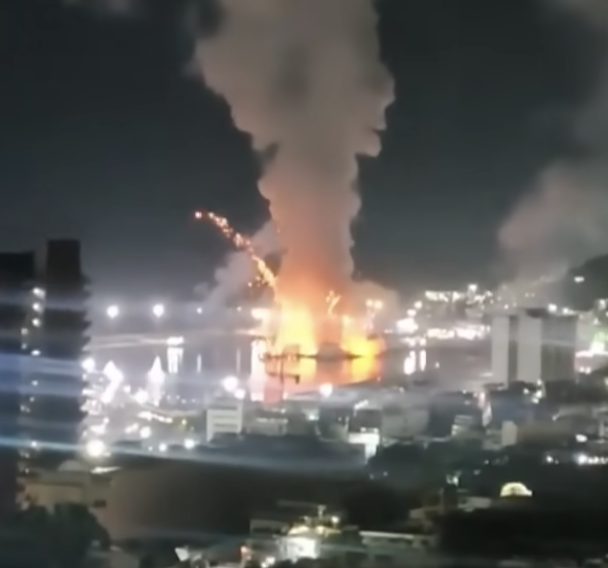
In the early hours of January 3, 2026, the United States carried out a military operation in Venezuela, mainly in and around the capital city, Caracas. According to the U.S. government, Venezuelan President Nicolás Maduro and his wife, Cilia Flores, were detained by U.S. forces and later flown to New York to face charges in a U.S. federal court. The operation reportedly involved air and ground strikes on key targets. This action is highly unusual because it involved the capture of a sitting head of state by a foreign military.
Malaysia’s Response
Malaysia’s Prime Minister, Anwar Ibrahim, strongly criticised the U.S. action and called for the immediate release of President Maduro and his wife. He described the operation as a violation of international law and warned against further military escalation. Anwar stressed that Venezuela’s political future should be decided by Venezuelans themselves, without interference from external powers.
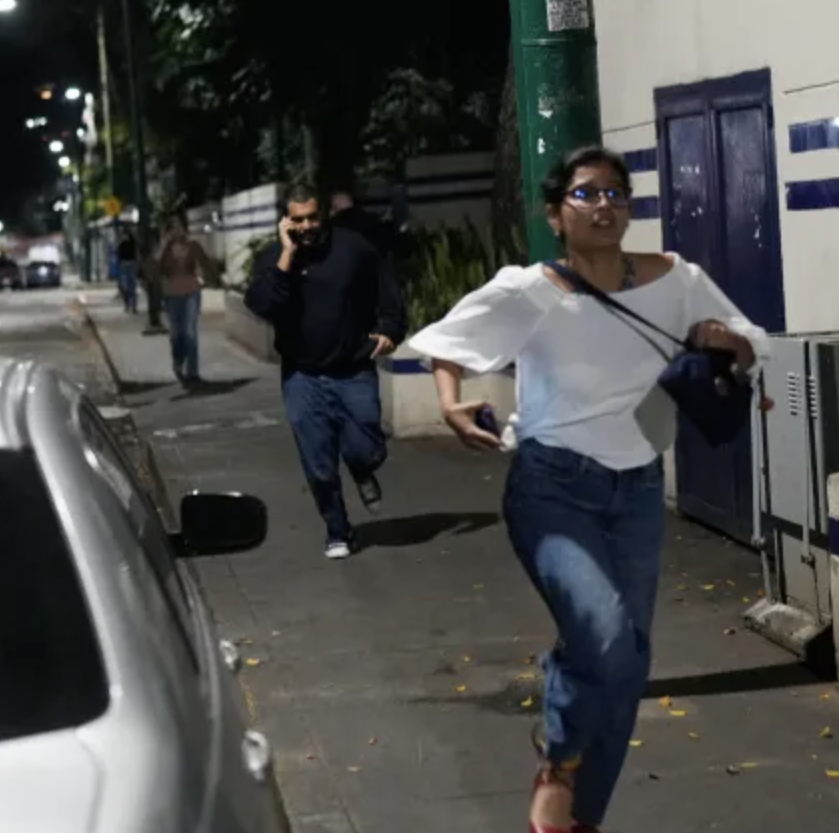
Chaos in Caracas as Citizens Flee Amid US Strikes
Residents of Caracas, Venezuela, are seen running for safety following the US military operation that targeted key areas of the city on January 3, 2026. The raid, which included air and ground strikes, has raised concerns about civilian safety and the broader impact of foreign military actions in Venezuela.
Why Malaysia Is Concerned
Anwar warned that the U.S. action sets a “dangerous precedent” that could weaken international rules limiting the use of force. He said such actions may encourage other countries to use military power to remove foreign leaders, increasing global instability and threatening peaceful relations between states.
Venezuela’s Oil, Resources, and China Ties
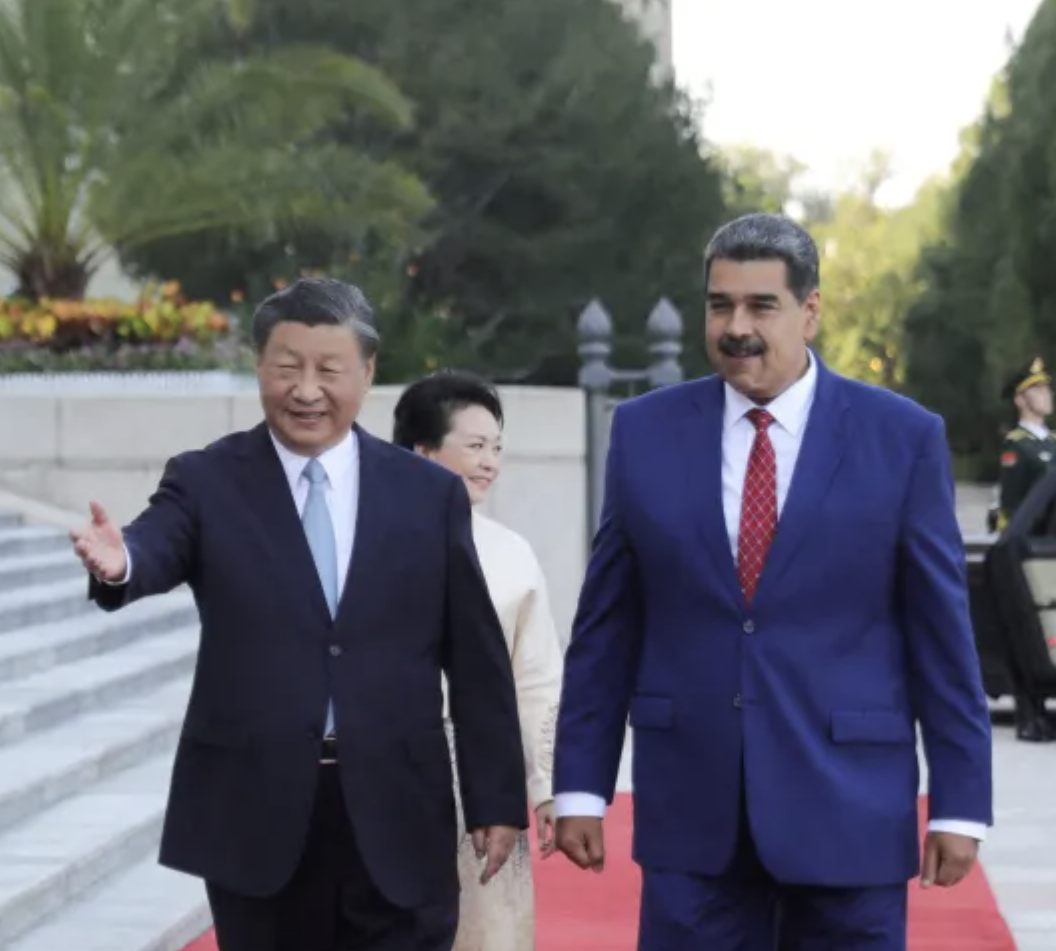
Venezuela possesses the largest proven oil reserves in the world and significant mineral resources such as gold, bauxite, and lithium. Some analysts suggest that the U.S. may also be motivated by these resources, as well as Venezuela’s close economic and energy partnerships with China. China is a major buyer of Venezuelan oil and has invested in joint ventures with the state oil company PDVSA. While the U.S. officially cites legal and security reasons for the raid, experts note that the operation occurs in the context of geopolitical competition and energy strategy.
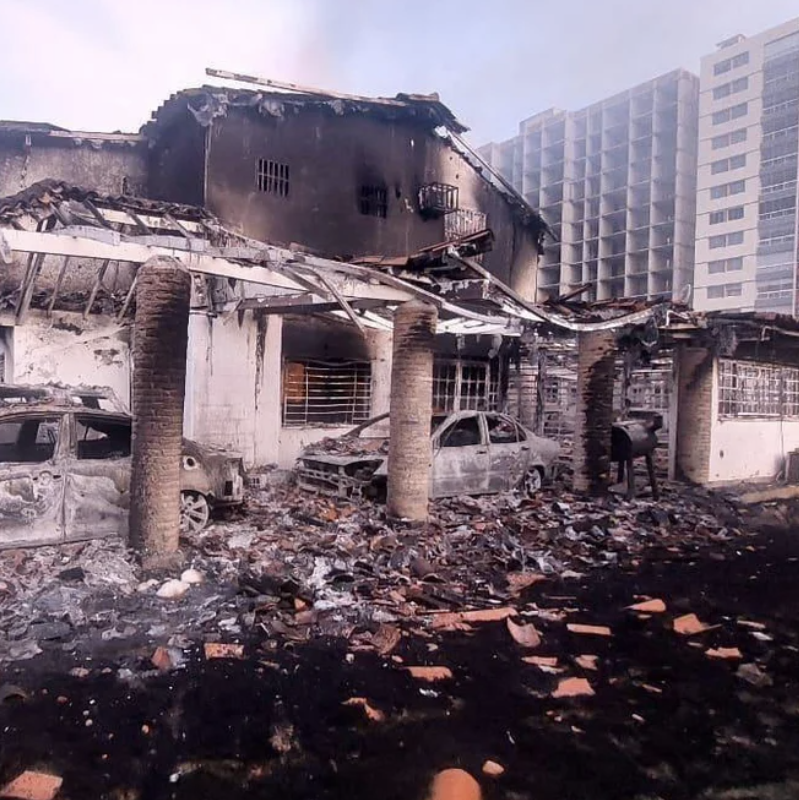
Respect for International Law
Malaysia’s position is based on long-standing international principles, including respect for national sovereignty and non-interference in the internal affairs of other countries. Anwar emphasized that military force should only be used in self-defence or with approval from the United Nations, and that dialogue and diplomacy are the proper ways to resolve political disputes.
Call for De-Escalation
Malaysia called on all parties involved to reduce tensions immediately, protect civilians, and avoid actions that could lead to further violence or regional instability. The government said peace and stability are necessary so that Venezuelans can pursue their aspirations without further harm.
Key Takeaways
The United States conducted a military raid in Venezuela and detained President Nicolás Maduro and his wife. Malaysia strongly opposes the action, with Prime Minister Anwar Ibrahim demanding their immediate release. Analysts note the raid also has implications for Venezuela’s oil industry, resource wealth, and relations with China, highlighting wider geopolitical and economic concerns. Additionally, U.S. President Donald Trump stated that the U.S. would temporarily “run” Venezuela to oversee a transition, and warned that further military action remains possible if U.S. conditions are not met. Trump has also issued strong warnings toward Venezuela’s neighbours, including Colombia and Mexico, language that regional leaders and observers have viewed as escalatory rather than formal policy.
The U.S. Department of Justice, specifically prosecutors in the U.S. District Court for the Southern District of New York, have formally charged Nicolás Maduro and his wife with involvement in drug trafficking and related crimes. These charges are based on allegations in a U.S. federal indictment, but they have not been proven in court, and Maduro and his allies deny the claims. There is no confirmed evidence that Maduro personally engaged in drug dealing. Observers note that such allegations, whether true or not, are sometimes used to justify foreign intervention, highlighting the importance of careful, evidence-based reporting and respect for sovereignty.
China has strongly condemned the U.S. operation, describing it as a serious violation of international law and the sovereignty of Venezuela. Chinese officials said no country has the right to act as a “world policeman” or to remove another nation’s leadership by force, warning that such actions undermine global stability. Beijing also expressed concern that the raid threatens legitimate energy cooperation and economic agreements between China and Venezuela, and called for the dispute to be resolved through dialogue and diplomatic means rather than military intervention.
Also a growing number of countries across Latin America, Asia, the Middle East, and parts of Europe have condemned the U.S. action, warning it sets a dangerous precedent under international law. Some governments and regional blocs have described the detention of a sitting head of state as an abduction or kidnapping, arguing that such actions undermine state sovereignty and could encourage future foreign interventions. Others, while stopping short of that language, have urged restraint, accountability, and a return to diplomatic solutions to prevent wider regional instability.