 Thaizo
🗓️ Friday, May 15, 2026
📍 Thailand
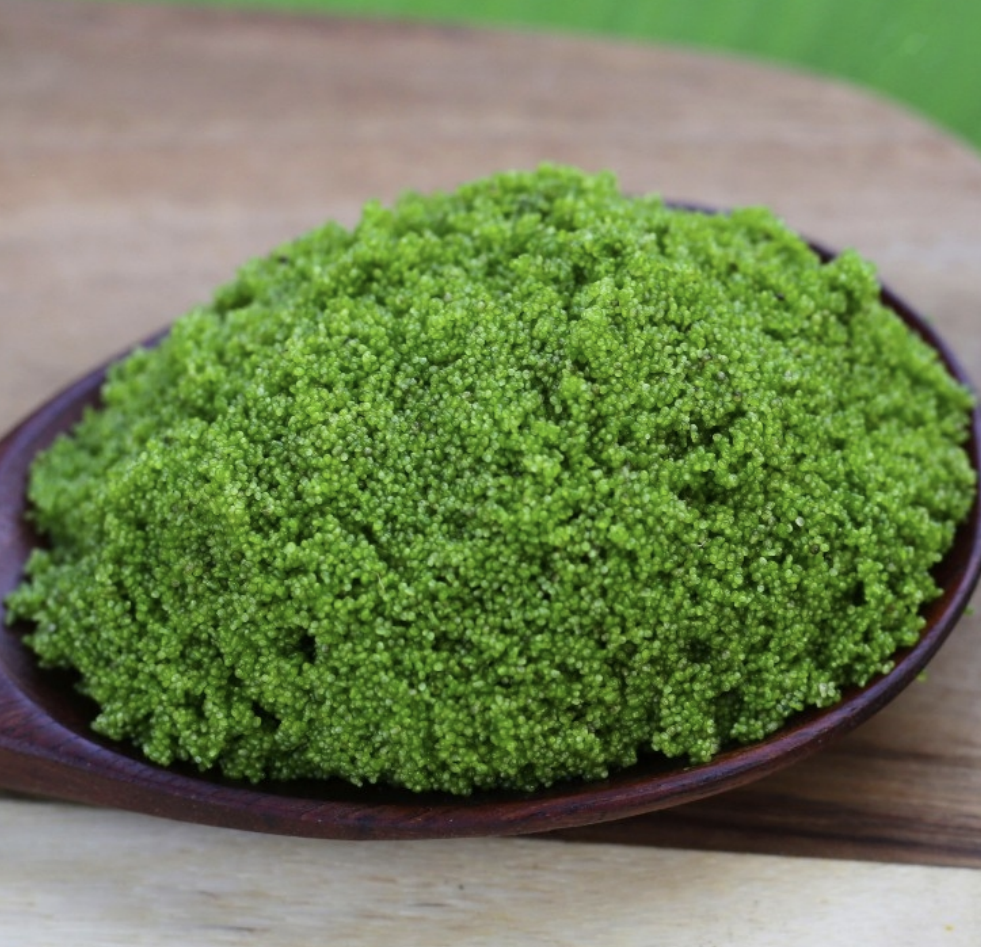
Thailand’s Tiny “Green Gold” Could Be the Future of Food 🌱✨
Move over kale and quinoa — Thailand is betting on a tiny floating plant called pham (also known as watermeal or wolffia) to become the next global superfood 🌍🥗
Even though it looks like pond algae 👀, this tiny green plant is attracting major attention from scientists, food-tech companies, and the Thai government.
Why? Because it’s packed with protein 💪, grows incredibly fast 🚀, and needs very few resources to survive 🌿💧
So… what exactly is pham? 🤔
Pham is a tiny freshwater plant commonly found in ponds and swamps in northern and northeastern Thailand 🇹🇭
For generations, local communities have cooked it into dishes like:
- Curries 🍛
- Omelettes 🍳
- Steamed eggs 🥚
Today, it’s being promoted as a “future food” — healthy 🧘, sustainable 🌎, and perfect for a greener world 🌱
Tiny plant, huge nutrition 💥
Pham may be small, but nutritionally it punches way above its weight 🥊
- 30–50% protein 💪
- Essential amino acids similar to animal protein 🥩➡️🌱
- Fibre 🌾
- Vitamins A & B 🍊
- Iron 🩸
- Calcium 🦴
- Antioxidants ✨
Even more impressive: pham naturally contains vitamin B12 🔬 — something rarely found in plants and especially valuable for vegetarian and vegan diets 🥗
From swamp food to superfood 🚀
What was once considered a humble local ingredient is now appearing in:
- Smoothies 🥤
- Protein powders 🏋️
- Bread 🍞
- Cookies 🍪
- Noodles 🍜
- Ice cream 🍨
- Meatballs 🍖
- Pizza 🍕
- Instant drinks 🧃
Yes — even pizza 😄
Why the world is paying attention 🌍👀
Pham isn’t just healthy — it’s eco-friendly too 🌱♻️
- Uses far less water 💧
- Needs very little land 🌾
- Grows extremely fast ⚡
- Absorbs carbon dioxide 🌍
- Doesn’t require pesticides 🚫☠️
- Can grow in compact spaces 🏙️
That makes it attractive in a world searching for cleaner, lower-carbon food sources 🌎
Thailand’s food-tech boom 🧪🇹🇭
Thai start-ups are already racing to turn pham into big business 💼📈
- flo Wolffia 🌱
- Wolffia Bangkok 🏙️
- Wolffia Plus ➕
These companies are developing high-tech indoor farming systems that can boost pham’s protein content to around 40% 🤯
Premium dried pham protein powder can sell for:
3,000–5,000 baht per kilogram 💵
That’s why some are calling it Thailand’s next “green gold” 🟢✨
A growing global opportunity 🌐
Demand for plant-based protein is rapidly growing in:
- The United States 🇺🇸
- Europe 🇪🇺
- Japan 🇯🇵
- The Middle East 🌍
Thailand hopes pham can become a major export product 📦 as consumers search for healthier and more sustainable foods.
Scientists are all-in 🔬👨🔬
Thai universities and government agencies are investing heavily in pham research 🧠
Between 2024 and 2025, researchers developed new high-protein strains containing nearly:
49% protein 💪🔥
The government is also supporting:
- Cleaner farming standards ✅
- Commercial-scale farms 🚜
- International food safety certification 🌍
The goal? Turn Thailand into a global leader in future foods 🍽️🚀
But there’s still one big problem ⚠️
Drying pham is expensive 💸
Right now, there’s no specialised industrial machine designed specifically for processing it at large scale 🏭
That means production costs remain high even as farming expands 📊
From local pond plant to global superfood? 🌱➡️🌎
Thai officials believe pham is more than just another crop.
It’s a chance for Thailand to move beyond exporting raw ingredients and start selling premium health foods to the world 🌍✨
And if current trends continue, that tiny green plant floating in Thai ponds today might someday end up in supermarkets everywhere 🛒🌱