 Thaizo
🗓️ July 17, 2026
📍 Thailand
🇹🇭 Thinking of Buying Property in Thailand? Read This First
Thailand has just sent a very clear message to foreign property buyers:
🚨 If you try to get around Thailand's property laws, you could be putting your investment—and your assets—at serious risk.
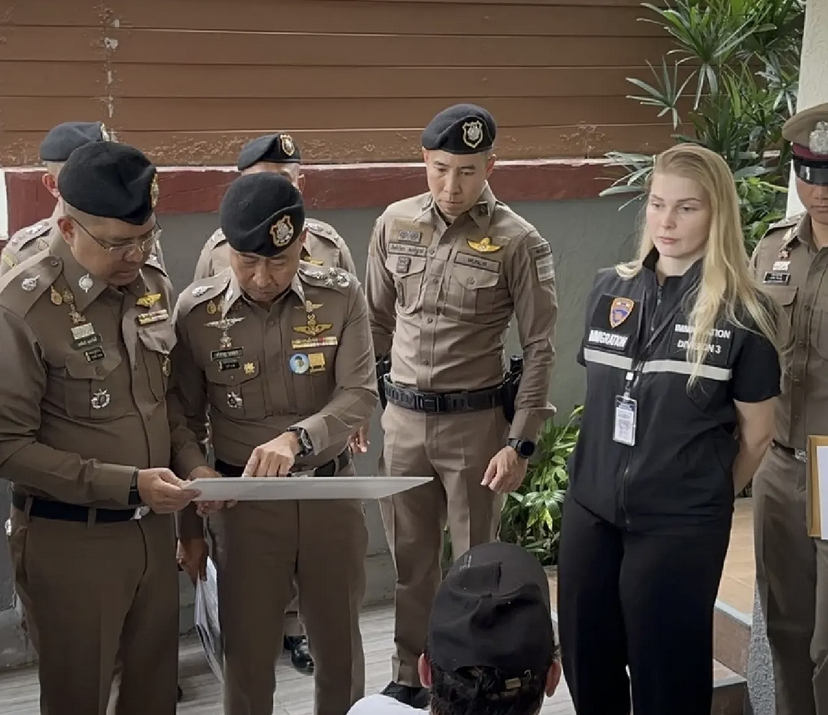
This week, Thai police arrested four Russian nationals and raided 41 locations across Chonburi as part of a major investigation into alleged nominee companies linked to luxury homes and land worth more than THB5 billion.
The operation is one of Thailand's biggest property crackdowns in recent years—and it's unlikely to be the last.
For anyone considering buying property in Thailand, this isn't a story to ignore. It's an important reminder that understanding the law before investing could save you from losing everything you've worked hard to build.
🏡 Why Thailand Restricts Foreign Land Ownership
Many overseas buyers are surprised to learn that foreigners generally cannot own land outright in Thailand.
These laws aren't designed to discourage foreign investment—they're designed to protect Thai ownership of Thai land.
Land is one of a country's most valuable and limited resources. Once it's sold, it doesn't come back.
Without restrictions, wealthy overseas investors, international companies, and investment funds could compete directly with ordinary Thai families for a limited supply of land and housing, particularly in popular destinations such as Pattaya, Phuket, Koh Samui, Chiang Mai, and Bangkok.
Like many countries, Thailand has decided that protecting local ownership of land is in its national interest. The aim is to balance welcoming foreign investment while ensuring future generations of Thai citizens still have opportunities to own land in their own country.
⚠️ What You Should Never Do
Some buyers are told there's an "easy workaround" to Thailand's land ownership laws.
You may hear advice such as:
- 💬 "Just set up a Thai company."
- 💬 "Use Thai shareholders and you'll be fine."
- 💬 "Everyone does it."
Be very careful.
If those Thai shareholders exist only on paper while the foreign buyer provides the money, makes the decisions, and exercises the real control, that arrangement may be considered an illegal nominee structure under Thai law.
That is exactly what authorities are now investigating.
Thailand's recent crackdown shows that officials are looking far beyond company registration documents. They're examining bank accounts, financial records, electronic evidence, shareholder finances, and who actually controls the business.
🚔 Thailand Is Taking This Seriously
This latest operation wasn't a routine inspection.
Police carried out:
- ✅ Four arrests
- ✅ 41 search warrants
- ✅ Seizure of company records
- ✅ Financial investigations
- ✅ Computers, mobile phones and electronic evidence confiscated
Investigators are tracing money flows and examining the involvement of company directors, accountants, shareholders, facilitators and anyone else connected to the alleged nominee network.
Authorities say this forms part of a much wider nationwide campaign targeting illegal nominee structures and concealed foreign ownership.
🏘️ The "Russian Village" Investigation
One of the central investigations focuses on a luxury housing development reportedly advertised on Russian-language websites as a "Russian village."
According to police:
- 🏠 Around 495 companies had been established to own approximately 775 luxury homes.
- 💰 Those properties are collectively worth more than THB5 billion.
- 🌍 435 of those companies had foreign shareholders.
- 📑 Investigators identified 33 companies now facing investigation over suspected nominee arrangements or foreign ownership issues.
Police continue to analyse financial records and digital evidence as they investigate whether Thai shareholders were genuine investors or merely acting on behalf of foreign nationals.
💸 Your Investment Could Be at Risk
Some foreign buyers wrongly assume that because nominee structures have existed for years, they're safe.
Thailand's latest enforcement suggests otherwise.
If authorities conclude that a property has been acquired through an illegal nominee arrangement, buyers could face:
- ❌ Criminal investigations
- ❌ Frozen assets
- ❌ Lengthy legal proceedings
- ❌ Significant financial losses
- ❌ The possibility of losing control of the property
A property that once looked like a dream investment could quickly become an expensive legal nightmare.
⚖️ If You Want the Law to Protect You, Stay Within It
This is perhaps the most important lesson for anyone investing overseas.
Many buyers expect the legal system to protect their ownership rights if a dispute ever arises.
But if you're relying on Thailand's legal system to certify and protect your property rights, it makes sense to ensure your investment has been made legally from the very beginning.
Trying to bypass the law through nominee shareholders or other unlawful arrangements may seem like an easy shortcut, but it could expose you to investigations, legal disputes, financial losses, and potentially your rights to the asset itself.
If you want the law to protect your investment, make sure your investment is made within the law.
✅ There Are Legal Ways to Invest
The good news is that Thailand still welcomes foreign investment.
Foreign buyers have several legitimate options available, including:
- 🏢 Purchasing eligible condominium units within Thailand's legal foreign ownership quota.
- 📜 Leasing land through properly registered long-term lease agreements.
- 🏗️ Investing through lawful business structures that fully comply with Thai legislation.
These options may not offer the same rights as owning land outright, but they offer something even more valuable—legal certainty and peace of mind.
🌏 Why These Laws Matter
Some foreign buyers ask why Thailand doesn't simply allow unrestricted foreign ownership of land.
The answer is that Thailand has chosen to prioritise protecting Thai ownership of Thai land.
Land is a finite national resource. Once ownership transfers, it can become increasingly difficult for future generations to compete—particularly if they are competing against international wealth and investment capital.
Many countries around the world have experienced significant increases in house prices and rents due to a combination of factors including investment demand, limited housing supply, and growing populations. Thailand's restrictions are intended to reduce excessive speculation and help preserve opportunities for Thai citizens to own land in their own country.
Whether you agree with the policy or not, these are Thailand's laws—and recent events demonstrate that authorities are committed to enforcing them.
✔️ Final Thoughts
If someone tells you:
- 💬 "Everyone does it."
- 💬 "Nobody gets caught."
- 💬 "This is how foreigners buy land."
Think twice.
Thailand's latest crackdown shows that authorities are paying much closer attention to nominee companies than ever before, and investigations are expanding across the country.
Before buying any property, seek independent advice from a qualified Thai property lawyer and ensure your ownership structure fully complies with Thai law.
🇹🇭 Respect Thailand's laws, protect your investment, and enjoy everything the Kingdom has to offer knowing your property is built on a strong legal foundation.