 Thaizo
🗓️ Thursday, December 11th, 2026
📍 Thailand
🇹🇭 Thailand’s Parliament Dissolved — Early Elections Are Coming!
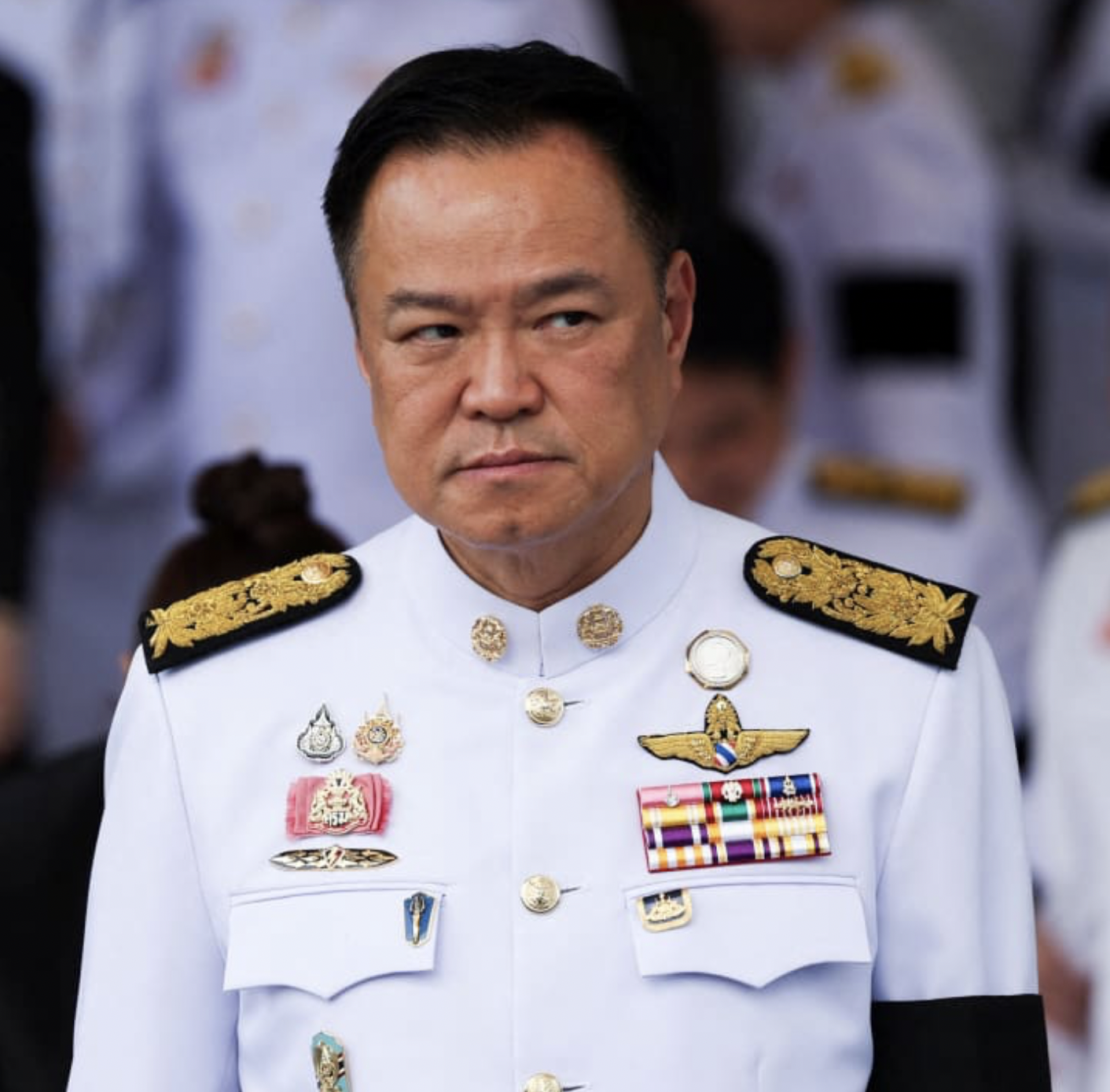
Thailand’s Prime Minister Anutin Charnvirakul has officially dissolved Parliament and set the country on the path to early general elections — likely to take place within 45–60 days of the announcement, potentially by February 2026. The decision comes amid deep political disagreements and ongoing border tensions with Cambodia.
Why the Dissolution Happened
The dissolution follows a political deadlock between the government and the opposition People’s Party, which had been threatening a no-confidence motion over disagreements on constitutional reforms and power sharing. Talks broke down over how to amend the constitution and distribute political influence, prompting Anutin to act before parliament could move against his government.
What Early Elections Mean
Once Parliament is dissolved, Thai law requires that general elections be held within 45–60 days. This means voters will go back to the polls likely in late January or early February 2026 to choose a new House of Representatives.
Until the elections, Anutin and his cabinet will remain as a caretaker government with limited authority, unable to pass a new budget or major legislation.
Political Tensions Behind the Move
Anutin’s government has been a minority administration, surviving only with conditional support from the People’s Party. That support was tied to a promise to push for constitutional reform and dissolve Parliament within a set timeframe — deals that ultimately fell apart as disagreements deepened.
The People’s Party had threatened to file a no-confidence motion after failed negotiations on amending the constitution and removing greater military influence, which would have forced the government to resign. By dissolving Parliament first, Anutin effectively pre-empted that confrontation and triggered early elections instead.
Extra Challenges: Border Clashes with Cambodia
Thailand’s political crisis is unfolding against the backdrop of escalating military clashes with Cambodia, which have caused casualties and displacement in border regions. This security issue adds pressure on Thai leadership and will likely influence voter sentiment in the upcoming elections.
What’s Next for Thai Politics
The early elections present a critical choice for Thai voters: whether to support the current leadership under Anutin and his Bhumjaithai Party or to back opposition forces like the People’s Party — which is campaigning on promises of constitutional reform and reducing military influence in politics.
The election outcome will shape Thailand’s political direction and may redefine how power is balanced between elected officials, the military, and unelected bodies in the years ahead.
Our Thoughts
Anutin is known for his pragmatic approach to politics, which is often viewed as one that focuses on practical solutions to the country’s challenges rather than ideological battles. He has been able to make deals and form alliances across party lines, helping to ensure political stability in a fragmented political landscape. We believe the Country will do well with his Leadership.