 Thaizo
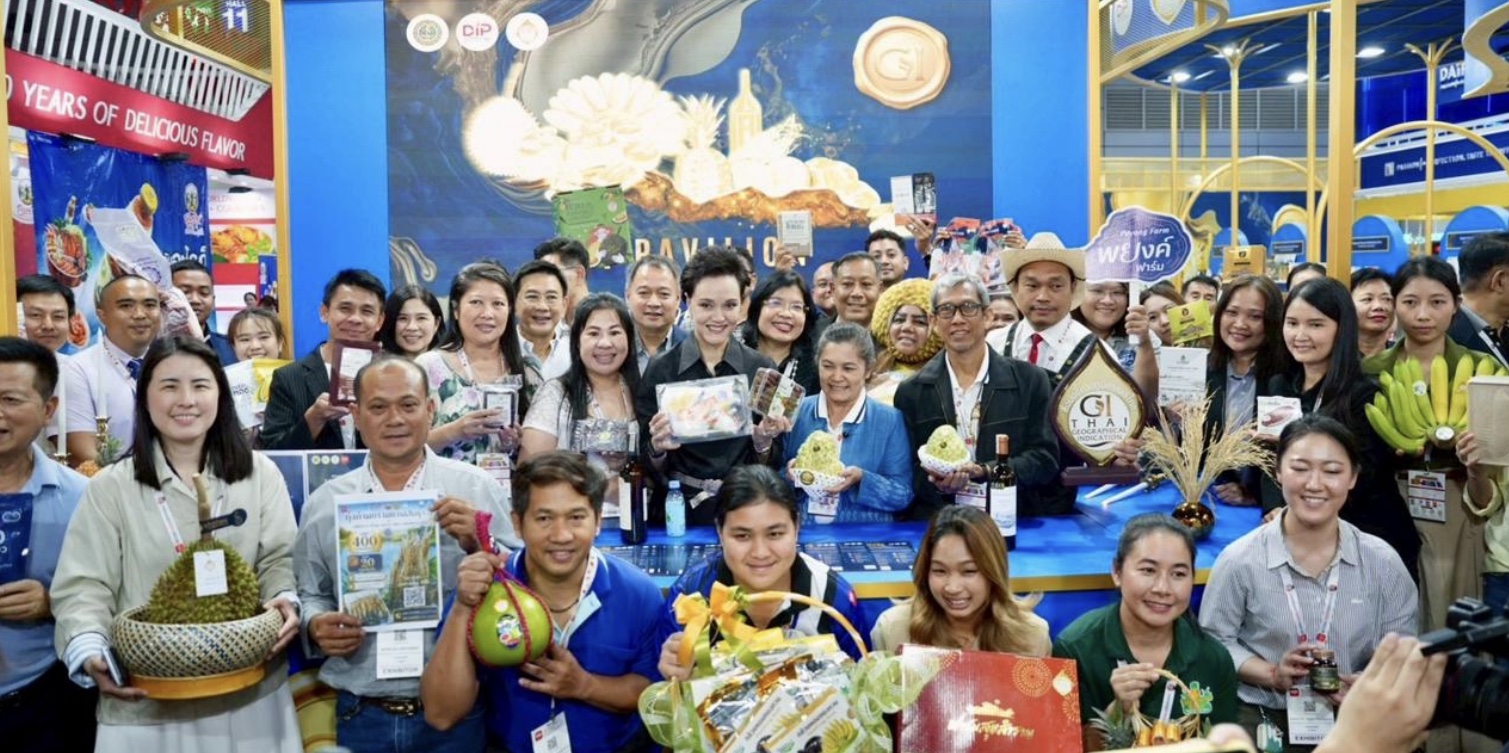
Imagine buying a packet of Thai jasmine rice in China and knowing that the name is protected because it genuinely comes from the famous region where it is grown. Or enjoying a beautifully sweet ruby pomelo knowing it has the special qualities associated with southern Thailand. 😊
That's the idea behind an exciting new agreement between Thailand and China.
The two countries are moving towards protecting six special products through something called Geographical Indication (GI) registration.
Three Thai products could gain protection in China, while three Chinese products could receive the same recognition in Thailand.
And the goal? Protect local producers, build consumer confidence and create new opportunities for international trade. 🌏
Let's look at what is happening, meet all six products and discover why this could be a big deal for Thailand's farmers!
📊 The Story in a Nutshell
🚀 What's happening?
Thailand's Department of Intellectual Property and China's National Intellectual Property Administration published applications for all six products on November 10, 2026.
This started a 90-day period during which objections can be submitted. If no objections are filed, registration is expected to be completed by February 2027.
1. 🤔 What Exactly Is Geographical Indication Protection?
You may have seen the letters GI on food packaging, agricultural products or speciality goods.
GI stands for Geographical Indication. It's a form of recognition that connects a product's name and reputation with a particular geographical area.
In simple terms, certain products are special because of where they come from, the local environment, traditional knowledge or production methods.
🍷 Think of it this way: Not every sparkling wine can automatically be called Champagne. The name is associated with a specific region and rules. GI protection works on a similar principle for qualifying products.
For example, Thung Kula Rong Hai Hom Mali Rice is associated with a particular growing region in northeastern Thailand. GI protection helps prevent unrelated producers from using its protected name for products that do not meet the required conditions.
Why does GI protection matter?
- 🛡️ Helps prevent misleading use of protected product names.
- 🌱 Protects traditional production methods and regional identity.
- 🤝 Builds confidence among consumers and international buyers.
- 💰 Helps genuine producers distinguish their products in the marketplace.
- 📈 Can create opportunities for stronger prices and higher-value exports.
2. 🇹🇭 Three Thai Products Heading for China
Let's meet the three Thai products selected for this pilot project. Each has its own distinctive character, history and community of producers.
🌾 1. Thung Kula Rong Hai Hom Mali Rice
 First up is one of Thailand's most famous agricultural treasures: Thung Kula Rong Hai Hom Mali Rice.
This premium jasmine rice is famous for its wonderful natural fragrance, delicate flavour and soft texture when cooked.
It comes from the Thung Kula Rong Hai region, which stretches across five northeastern provinces:
- Roi Et
- Surin
- Maha Sarakham
- Yasothon
- Si Sa Ket
💰 The economic impact
That's a lot of farmers and families depending on this distinctive rice!
Greater recognition in China could help genuine producers strengthen their reputation, reach more customers and compete more effectively in an important export market.
🍚 Foodie fact: Thai jasmine rice is particularly loved for its aroma. When freshly cooked, its fragrance and soft texture make it a favourite alongside Thai curries, stir-fries and many other dishes.
🍈 2. Pak Phanang Siam Ruby Pomelo
Next comes a real beauty from southern Thailand: Pak Phanang Siam Ruby Pomelo.
Produced in Nakhon Si Thammarat province, this speciality fruit is instantly recognisable by its beautiful deep pink to ruby-red flesh.
It is known for its sweet flavour, soft texture and distinctive appearance.
It's the sort of fruit that looks almost too pretty to eat. Almost! 😋
💰 The economic impact
China has a huge consumer market, and distinctive premium fruit can attract considerable interest. Better protection could help genuine growers build recognition and develop stronger business relationships with Chinese buyers.
🌳 3. Phetchabun Sweet Tamarind

Our third Thai product is Phetchabun Sweet Tamarind, a speciality agricultural product from central-northern Thailand.
Unlike the sour tamarind often used in cooking, this variety is known for its naturally sweet taste, thick flesh and soft, chewy texture.
It's delicious as a snack and can also be used in a variety of food products.
💰 The economic impact
GI protection could help Phetchabun's growers distinguish their genuine sweet tamarind from products grown elsewhere and explore more opportunities in the Chinese market.
😋 Did you know? Tamarind is used in many different ways across Asia. It can add sweetness, sourness or depth to everything from snacks and sauces to traditional dishes.
3. 🇨🇳 Three Chinese Products Coming to Thailand
The agreement works both ways! China is also seeking GI protection in Thailand for three of its own distinctive products.
These products have strong cultural traditions and reputations in their respective regions.
🏺 4. Dehua White Porcelain
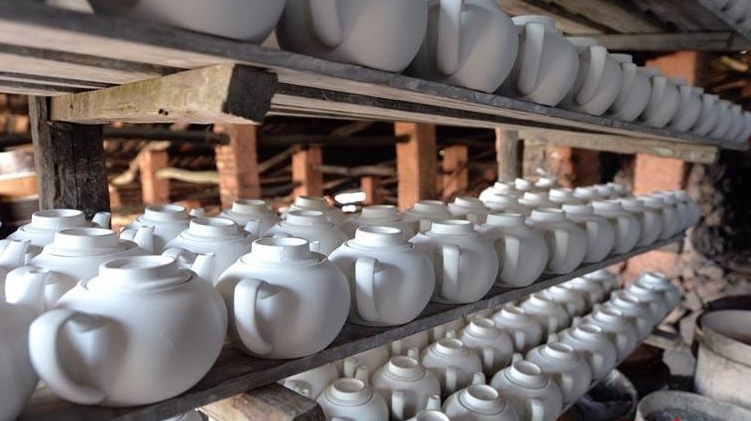
From Fujian province comes Dehua White Porcelain, famous for its beautiful white appearance, durability and detailed craftsmanship.
Chinese ceramic makers have been perfecting these traditional techniques for centuries.
The products range from elegant sculptures and decorative ornaments to practical household items.
🎨 Interesting fact: Dehua porcelain is sometimes associated with the nickname Blanc de Chine, meaning the white porcelain of China. Its smooth, pale appearance has made it highly regarded among collectors and art enthusiasts.
🍵 5. Fenghuang Dancong Tea

Tea lovers will appreciate this one!
Fenghuang Dancong Tea comes from Guangdong province and is particularly famous for its natural floral fragrance, rich flavour and sweet aftertaste.
When brewed, it produces a beautiful golden-yellow to amber-coloured tea.
Its distinctive aroma and traditional production methods give it a special place in Chinese tea culture.
🍵 Tea lover's corner: Dancong teas are particularly interesting because different varieties can have distinctive natural fragrance profiles, including floral and fruity notes.
🥂 6. Kweichow Moutai Liquor
The final Chinese product is Kweichow Moutai, one of China's best-known traditional spirits.
It originates from Guizhou province and is made using sorghum, wheat and water from the Chishui River.
Its traditional production process involves fermentation, distillation and ageing in earthenware vessels for at least three years.
Moutai has a long-standing reputation in China and is closely associated with the country's food, hospitality and cultural traditions.
📌 Why is GI protection relevant? It helps distinguish authentic Moutai from products that do not meet the geographical and production requirements associated with the protected name.
4. 💰 Why This Could Be Big News for Thai Farmers
Now let's get to the really important question: what could all this mean for ordinary Thai people?
For farmers, geographical protection is about much more than having a fancy label on a packet or box.
It is about protecting years of hard work, local traditions and the reputation that communities have built around their products.
🌱 Five potential benefits
- 🛡️ Better protection: Genuine producers have stronger protection against unauthorised use of their registered product names.
- 🌏 More export opportunities: Recognition in China could help Thai products reach more international buyers.
- 💎 Stronger product identity: Consumers can better understand where products originate and what makes them special.
- 💰 Greater commercial value: Distinctive, recognised products may be better positioned in premium markets.
- 🏘️ Support for local communities: More business opportunities could help farmers, family businesses and regional producers.
❤️ It's about real people
Behind every packet of jasmine rice, every ruby pomelo and every box of sweet tamarind are families, farmers and communities working hard to produce something special.
Protecting their reputation could help ensure that the economic benefits remain connected to the people and places responsible for creating these products.
5. 📅 When Will the Protection Become Official?
The process is already underway, but there is one important step remaining: the objection period.
| Date | What happens? |
|---|---|
| November 10, 2026 | Six GI applications published simultaneously. |
| November 24, 2026 | Thailand announces progress on the initiative. |
| November 25, 2026 | Chinese intellectual property representatives scheduled to visit Thailand. |
| February 2027 | Expected completion if no objections are filed and the applications proceed successfully. |
⚠️ Important: February 2027 is an expected completion date, not a guarantee. The applications must pass the relevant registration procedures, including the 90-day opposition period.
6. 🥥 Thailand Has Its Eyes on Even More Products
Thailand isn't planning to stop with these three agricultural products.
The Department of Intellectual Property is also looking at additional Thai products that could benefit from protection in China.
Two particularly interesting candidates are:
- 🥥 Thai aromatic coconuts: Known for their distinctive fragrance and naturally sweet coconut water.
- 🥭 Thai durian: One of Thailand's most famous export fruits, with strong demand among Chinese consumers.
If future applications are successful, more Thai farmers and agricultural businesses could benefit from international recognition.
7. 🤝 More Than Just Registration: Thailand and China Want to Work Together
The November 25 visit by representatives of China's National Intellectual Property Administration is expected to provide an opportunity to discuss further cooperation.
The two agencies are looking beyond simply registering product names.
Future cooperation could include:
- 📣 Joint promotional campaigns.
- 🛍️ Marketing activities in both countries.
- 🤝 Stronger connections between producers and distributors.
- 🌏 More opportunities for cross-border trade.
- 📈 Greater international recognition for regional speciality products.
In other words, the ambition is to turn legal protection into real commercial opportunities.
💡 The BIG Takeaway!
Here's everything you need to remember:
- 🇹🇭 Thailand and China are working on reciprocal GI protection.
- 🌾 Thai jasmine rice is one of the three Thai products.
- 🍈 Siam Ruby Pomelo and Phetchabun Sweet Tamarind are also included.
- 🇨🇳 China has nominated Dehua White Porcelain, Fenghuang Dancong Tea and Kweichow Moutai.
- 📅 Applications were published on November 10, 2026.
- ⏳ A 90-day objection period applies.
- 🚀 Registration is expected by February 2027 if there are no objections.
- 🥥 Thailand is considering additional products, including aromatic coconuts and durian.
- 💰 The overall aim is to strengthen trade and support local producers.
🇹🇭 Final Thoughts: Protecting Thailand's Agricultural Treasures
I think this is a very positive development for Thailand.
Thailand has an incredible range of agricultural products, many of which have been developed and perfected by local communities over generations.
But having a wonderful product isn't always enough. Producers also need to protect its reputation, build a recognisable brand and reach customers who appreciate its true value.
That's where geographical indication protection can make a real difference.
Imagine a small farming community being able to sell its products into a huge international market with greater recognition and confidence. That could create opportunities not just for individual farmers, but for entire local economies.
🌏 A Win-Win for Thailand and China?
This initiative is also a reminder that international trade doesn't always have to be about competing on price.
Countries can create value by sharing and protecting the unique things that make their regions special.
China has its traditional porcelain, distinctive tea and famous Moutai. Thailand has its wonderful jasmine rice, ruby pomelo and sweet tamarind.
Both countries have something worth protecting.
Hopefully, this agreement will help more farmers, producers and local businesses turn their traditional products into sustainable international success stories. 🇹🇭❤️
📰 Editorial note: This article is based on the announcement and information supplied by Thailand's Department of Intellectual Property, as reported on November 24, 2026. The proposed GI registrations remain subject to the relevant application and opposition procedures. Economic figures are the reported annual market values, not guaranteed future export revenues.
💬 Join the Conversation
Which of these six products interests you most? Do you think GI protection will help Thai farmers reach more customers in China? Share your thoughts!
Please log in to share your thoughts and join the conversation.
Latest Comments 💭
No comments yet. Be the first to share your thoughts! 😊