 Thaizo
🗓️ November 15, 2026
📍 Manila, Phillipines
ASEAN is sending a clear message to Myanmar's military government: don't expect a warm welcome back just yet.
As Southeast Asian leaders gather in Manila for their November 15–17 summit, one major question is back on the table: Should Myanmar be allowed to participate more fully in ASEAN meetings again?
The debate comes five years after Myanmar's military seized power in a 2021 coup, triggering political turmoil, widespread violence, and an ongoing civil war.
So, what's happening? And could ASEAN be about to change its approach?
🌏 So, what's the big issue?
Let's rewind a little.
In February 2021, Myanmar's military took control of the country in a coup, removing the elected government and sparking a major political crisis.
ASEAN (the Association of Southeast Asian Nations) responded by introducing a peace plan known as the Five-Point Consensus.
The plan was designed to help stop the violence and bring Myanmar's political crisis towards a peaceful solution.
But there's one important part of ASEAN's response: Myanmar's military-backed leaders have been excluded from high-level ASEAN meetings since the coup.
And that restriction has now been in place for five years.
📋 What exactly is the Five-Point Consensus?
Think of it as ASEAN's five-step plan to help bring peace back to Myanmar.
Here's what it calls for:
- 🛑 Stop the violence: An immediate end to violence across Myanmar.
- 🤝 Start talking: All parties involved should engage in constructive dialogue.
- 🕊️ ASEAN mediation: ASEAN should help bring the different sides together.
- ❤️ Humanitarian assistance: Aid should reach people affected by the crisis.
- 🌏 Keep diplomatic channels open: ASEAN's special envoy should engage with all parties involved.
In simple terms, ASEAN wants Myanmar to move towards peace through dialogue, diplomacy, and humanitarian support.
🚫 ASEAN's message: No special treatment just yet!
With the summit approaching, some observers are wondering whether ASEAN might finally soften its position.
But the bloc's special envoy on Myanmar, Philippine Foreign Affairs Secretary Ma. Theresa Lazaro, has made her position clear.
Speaking to reporters on November 14, she was asked whether reviewing the Five-Point Consensus could lead to restrictions on Myanmar's military leaders being relaxed.
Her answer was direct:
"To answer you bluntly, there is no easing (of the approach to Myanmar). There is still the Five-Point Consensus."
Translation? ASEAN isn't ready to change its approach simply because five years have passed.
The existing peace plan remains the foundation of its policy towards Myanmar.
🇹🇭 Thailand has another idea
Here's where things get interesting.
Not all ASEAN members have taken the same approach towards Myanmar.
Thailand, for example, has increased its engagement with Myanmar despite the ongoing civil war.
It has also proposed allowing Myanmar's foreign minister to attend ASEAN foreign ministers' meetings.
Why does this matter?
Because it could give Myanmar a chance to participate in some ASEAN discussions again, even while its military-backed leaders remain excluded from high-level meetings.
Think of it as potentially opening a small diplomatic door rather than giving Myanmar a full welcome back.
🤔 Will Myanmar's foreign minister be allowed back?
Not so fast!
The proposal is still being discussed, and ASEAN has not made a final decision.
Lazaro confirmed that the idea remains under consideration.
"It's still there on the table. It's still a subject of discussion."
So, for now, Myanmar's foreign minister may or may not get a seat at future ASEAN meetings.
The final decision rests with ASEAN's leaders.
🏛️ What happens at the Manila summit?
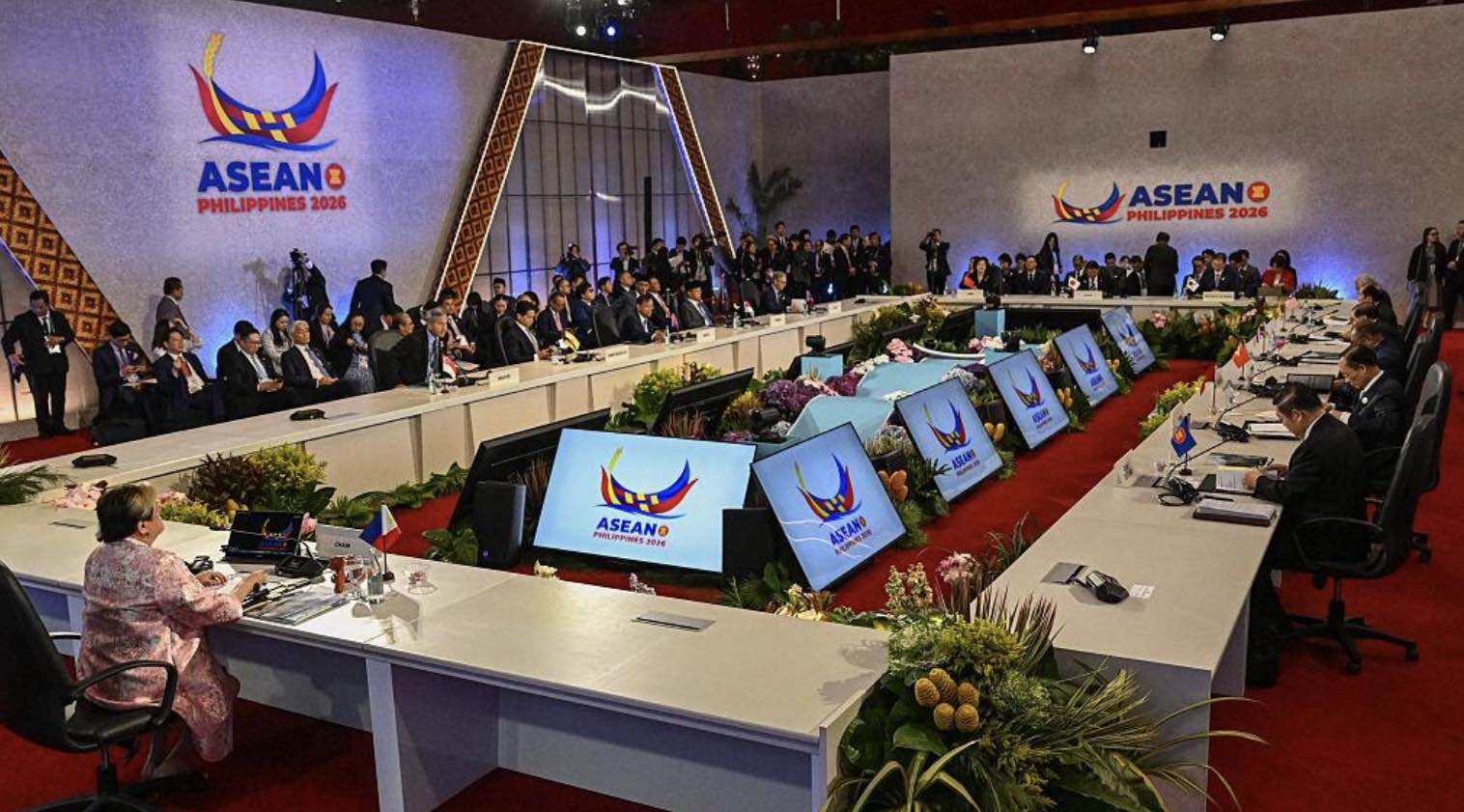
ASEAN leaders are meeting in Manila from November 15–17, 2026, and Myanmar is expected to be an important topic of discussion.
Leaders will review the Five-Point Consensus and consider several proposals on how to handle the continuing crisis.
However, a draft review of the agreement is still being negotiated.
That means the summit could bring important discussions, but it doesn't automatically mean a major policy change is coming.
The big question is whether ASEAN can find a new way forward without abandoning the pressure it has placed on Myanmar's military government.
⚖️ Why is this such a difficult decision for ASEAN?
ASEAN is facing a tricky balancing act.
On one side, it wants to maintain pressure on Myanmar's military government and push for an end to the violence.
On the other, some member countries believe that keeping diplomatic channels open and engaging with Myanmar could help move discussions forward.
The challenge is finding a balance between two important goals:
- 🛑 Maintaining pressure for peace and an end to violence.
- 🤝 Keeping diplomatic communication alive so negotiations remain possible.
Too much pressure could make dialogue more difficult. But too much engagement without meaningful progress could weaken ASEAN's position.
It's not an easy choice.
🔍 What should we watch next?
There are three things worth keeping an eye on after the Manila summit:
- 📋 The Five-Point Consensus: Will ASEAN keep the existing plan unchanged, or introduce new measures?
- 🇲🇲 Myanmar's representation: Will its foreign minister eventually be allowed to attend ASEAN meetings?
- 🕊️ Progress towards peace: Will ASEAN's diplomatic efforts lead to meaningful progress in ending the violence?
These decisions could shape ASEAN's relationship with Myanmar for years to come.
🧳 Quick Summary
- ✅ Myanmar's military seized power in a coup in 2021.
- ✅ ASEAN introduced the Five-Point Consensus to help resolve the crisis.
- ✅ Myanmar's military-backed leaders have been excluded from high-level ASEAN meetings.
- ✅ ASEAN envoy Ma. Theresa Lazaro says there will be no easing of the bloc's approach for now.
- ✅ Thailand has proposed allowing Myanmar's foreign minister to attend ASEAN foreign ministers' meetings.
- ✅ The proposal remains under discussion, with no final decision yet.
- ✅ ASEAN leaders are reviewing their approach at the November 15–17 Manila summit.
🌏 Final Thoughts: Is ASEAN Ready to Change Its Mind?
Five years after Myanmar's military coup, ASEAN is still struggling to find the right approach.
The bloc wants peace, an end to violence, and a way to bring all sides towards meaningful dialogue. But getting there is proving much harder than expected.
For now, ASEAN isn't giving Myanmar's military government an easy way back into the spotlight.
However, Thailand's proposal shows that discussions about Myanmar's place in the regional organisation are far from over.
One thing is certain: ASEAN wants progress, but whether tougher pressure or greater diplomatic engagement will deliver that progress remains the big question.